 Skip to content

Bring Gazelle to your campus
Gazelle is a feature film about asylum, exile and family separation, made by filmmakers who lived it. Universities, research centers and nonprofits bring it in to open a conversation on migration, human rights and the psychological cost of waiting, with the filmmakers taking part.
Who hosts it
More than 7,000 people have seen Gazelle at 41 screenings across North America and Europe, most followed by a conversation with the filmmakers.
Three ways to bring it
Screening and conversation
A public screening followed by a moderated discussion with co-director Nadir Sarıbacak, often joined by co-writer Ayhan Hulagu. A faculty member or local expert often moderates. Co-presented with departments, centers or student groups.
Online conversation
The film screens on your campus and the filmmakers join the discussion live from wherever they are. This is how The Independent Picture House in Charlotte did it.
Classroom screening
A screening for a course or seminar, paired with our guide for classrooms: themes, discussion questions and readings. The filmmakers can visit the class, in person or online, when schedules allow.
What it brings to a campus
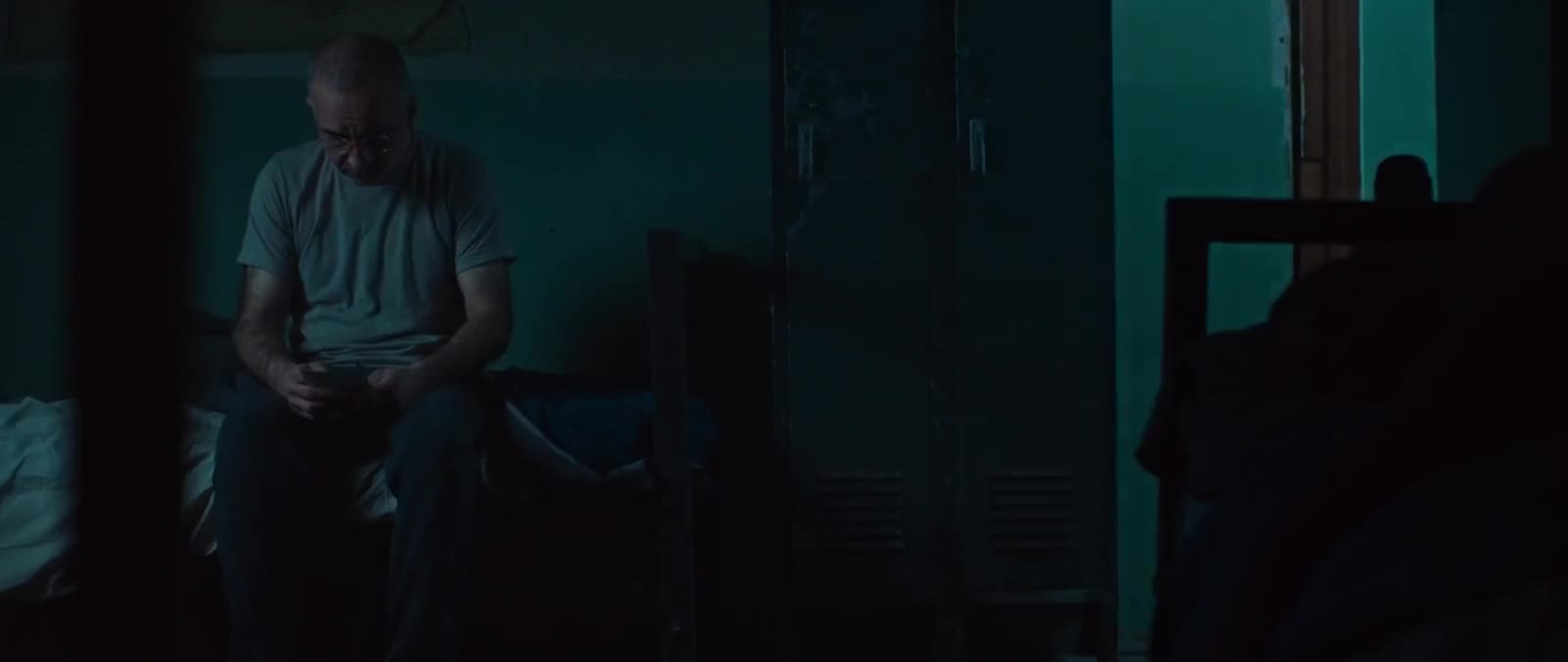
Yakup, a Turkish music teacher, seeks asylum in New York after political upheaval forces him to leave his country. Separated from his wife and daughter, he must choose between waiting years for legal family reunification and risking illegal routes to bring them to safety. The film stays inside his experience of that wait, and that is what makes it useful in a seminar room: it turns questions usually met as policy or data into something an audience lives through for a hundred minutes.
Read alongside it
Books and articles on waiting, uncertain status and exile that pair well with the film.
The guide for classrooms explains each pairing and adds discussion questions for every field above, plus a citation for your syllabus.
From the field
“The true measure of a refugee solution is when someone no longer feels like a stranger. Gazelle captures that journey with remarkable honesty.”
“As a therapist working for over a decade with asylum seekers who have survived torture and persecution, this film deeply resonated with me. It powerfully conveys the unbearable pain of leaving loved ones behind, and the stark truth that fleeing is often the only way to survive.”
“The trauma isn’t over. We can talk about post-traumatic stress disorder; that’s not what this is. This is a very real, ongoing, traumatic situation. And when you’re in that, you’re responding with whatever you have.”
“When you are a refugee, a political refugee, whether or not your legal status reflects that, you don’t go to a country to just enjoy and do touristic things. This is a life that is reduced to a bare minimum. Yakup is on a mission, and that is survival.”
“It’s a film that would actually be good for school, for politics and history classes. There are many people who should see it, people who are critical of migration, so they can better understand this suffering.”
“To someone who works in support of migrants and asylum seekers, this movie was full of meaning.”
Request a screening
Tell us a little about your plans. We will write back to shape the date, the format and the conversation with you.